Retro Cottagecore Kitchen Clipart Guide
There is a distinct warmth associated with the aesthetic of a well-loved kitchen. It is not just about functionality; it is about the feeling of home, heritage, and the slow, deliberate act of creating something nourishing. For designers, crafters, and content creators, capturing this essence digitally can be challenging. This is where Retro Cottagecore Kitchen Clipart becomes an invaluable resource. By blending the nostalgic charm of vintage farmhouse life with the specific design cues of the 1970s, these digital assets offer a bridge between past and present, allowing you to infuse your projects with immediate character and emotional resonance.
The Appeal of Vintage 70s Farmhouse Aesthetics
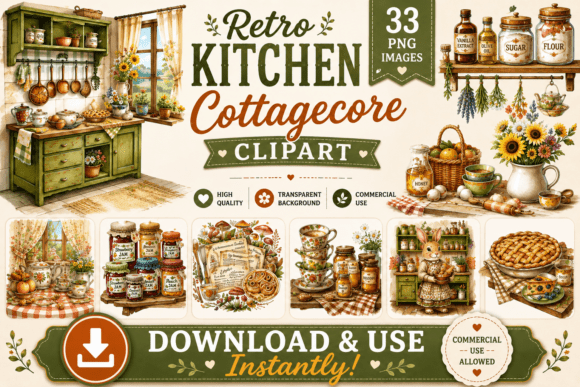
The cottagecore movement has evolved significantly since its initial surge in popularity. While early iterations focused heavily on Victorian or Edwardian romanticism, there is a growing appreciation for the mid-to-late twentieth century, particularly the 1970s. This era offers a unique visual language characterized by earthy tones, organic shapes, and a cozy, lived-in feel. When you utilize Retro Cottagecore Kitchen Clipart, you are tapping into this specific niche. The imagery often features muted oranges, avocado greens, and warm browns, paired with illustrations of ceramic teacups, glass jam jars, and handwritten recipe cards.
This aesthetic appeals to a broad demographic, from homesteaders who value self-sufficiency to urban dwellers seeking a touch of rustic comfort in their digital spaces. The strength of these illustrations lies in their ability to evoke memory and sensation. A simple image of a rising loaf of bread or a steaming kettle does more than decorate a page; it invites the viewer to pause and appreciate the simple pleasures of domestic life. For brands and creators, this emotional connection is a powerful tool for engagement.
Key Characteristics of High-Quality Digital Bundles
Not all digital assets are created equal. When evaluating a Vintage Baking Recipe PNG Bundle, several technical and artistic factors determine its utility. First and foremost is resolution and format. High-quality PNG files with transparent backgrounds are essential for seamless integration into various design software. Transparency allows you to layer elements without worrying about unsightly white boxes around your images, giving your compositions a professional, polished look.
Secondly, consider the coherence of the palette. A well-curated bundle will maintain a consistent color story. In the context of retro cottagecore, this means avoiding neon brights or overly saturated modern hues in favor of washed-out, vintage-inspired tones. This consistency ensures that when you combine different elements—such as a whisk, a flour sack, and a sprig of rosemary—they look like they belong together in the same scene. Additionally, the level of detail matters. Look for illustrations that balance simplicity with texture. Too much detail can clutter small prints like stickers, while too little can look flat and uninteresting on larger formats like wall art.
Practical Applications for Creators and Entrepreneurs
The versatility of Retro Cottagecore Kitchen Clipart makes it suitable for a wide array of projects. Here are some practical ways to leverage these assets across different mediums:
- Junk Journals and Scrapbooking: The textured, layered look of junk journals pairs perfectly with vintage kitchen imagery. Use illustrations of pantry shelves, spice bottles, and old-fashioned scales to create themed pages dedicated to family recipes or food memories. The transparent backgrounds allow for easy overlapping with paper textures and ephemera.
- Print-on-Demand Products: For entrepreneurs running shops on platforms like Etsy or Redbubble, these designs are ideal for sublimation printing. Consider applying them to aprons, tea towels, ceramic mugs, and tote bags. The nostalgic appeal resonates strongly with customers looking for unique, non-mass-produced home goods.
- Digital Planning and Stationery: Digital planners have become a staple for organization enthusiasts. Incorporate cute icons of mixing bowls, whisks, and ingredient lists into weekly meal planners or grocery tracking sheets. These small visual cues make the planning process more enjoyable and visually cohesive.
- Cookbook and Recipe Card Design: Whether you are publishing a professional cookbook or creating a personalized gift for a friend, these cliparts provide excellent decorative elements. Use them as section dividers, chapter headers, or border accents to frame handwritten recipes, adding a touch of authenticity and charm.
Enhancing Brand Identity and User Experience
Beyond individual crafts, these assets play a crucial role in branding. For businesses in the food, lifestyle, or wellness sectors, visual consistency is key to building trust and recognition. Using a consistent set of Retro Cottagecore Kitchen Clipart across your social media graphics, website banners, and packaging creates a unified brand identity. It signals to your audience that you value tradition, quality, and a thoughtful approach to your craft.
From a user experience perspective, warm and inviting visuals can reduce cognitive load and create a more welcoming environment. On a blog or website, breaking up text with relevant, aesthetically pleasing illustrations keeps readers engaged. For example, a blog post about sourdough baking becomes more immersive when accompanied by illustrations of proofing baskets and flour-dusted countertops. This visual storytelling helps retain attention and encourages users to spend more time on your platform.
Tips for Effective Implementation
To get the most out of your digital bundle, consider these best practices. Always check the licensing terms. Most high-quality bundles include commercial use rights, but it is vital to understand any limitations, such as restrictions on using the artwork for trademark logos or mass-produced physical items without modification. Respect the artist’s work by adhering to these guidelines.
When designing, think about scale and composition. Do not be afraid to mix sizes. A large, detailed illustration of a stand mixer can serve as a focal point, while smaller icons of eggs and butter can be scattered around the edges to create balance. Experiment with opacity and blending modes in your design software to integrate the clipart more naturally with background textures. Sometimes, lowering the opacity slightly can give the image a faded, authentic vintage look that mimics aged paper or fabric.
Finally, stay inspired by following trends within the cottagecore and vintage communities. Observe how other creators are using similar aesthetics. This will help you keep your designs fresh and relevant. By combining technical skill with a genuine appreciation for the subject matter, you can create works that not only look beautiful but also resonate deeply with your audience. Embrace the nostalgia, honor the craft, and let the warmth of the retro kitchen shine through in every project you undertake.